Most travelers speed through the A40 motorway from Geneva to Chamonix, chasing efficiency. They trade minutes for memories, missing the raw beauty of the Alps unfolding beyond the tunnel exits. While the highway gets you there fast, it flattens the journey into a blur of asphalt and signage. But what if the drive itself became part of the adventure? Taking the slower, higher roads means seeing Mont Blanc not as a destination, but as a living landscape - one shaped by glaciers, villages, and centuries of mountain life. This is how you turn a transfer into a true alpine experience.
Comparing the standard highway vs. the scenic mountain routes
The most direct path from Geneva to Chamonix follows the Autoroute Blanche (A40), a modern motorway slicing through the Arve Valley. It’s efficient - typically under 1h15 in clear conditions - and ideal for those arriving tired, laden with ski gear or hiking packs. The road is well-maintained, signposted, and designed for steady progress. For travelers without a car, Geneva Chamonix taxi services offer a seamless link from terminal to resort, eliminating the stress of navigation and parking. This route is especially practical when weather is uncertain or luggage is bulky.
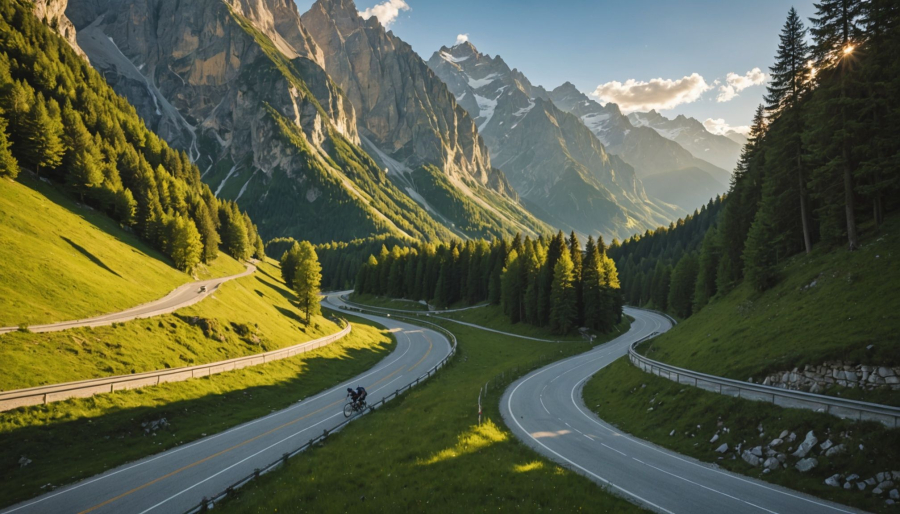
Efficiency meets comfort on the A40
For many, the priority is simplicity. The A40 connects Geneva Airport directly to the Chamonix Valley with minimal elevation changes until the final stretch. It’s the most predictable option, avoiding narrow passes and seasonal closures. A professional transfer ensures you’re not wrestling with directions or winter tires - just settling in and watching the peaks grow larger through the window.
The charm of the Departementale roads
Detouring onto the D1205 or D1506 means trading speed for soul. These departmental roads wind through traditional Savoyard towns like Sallanches, Cluses, and Passy, where stone farms and baroque churches stand against snow-capped backdrops. The pace slows. You pass bakeries, livestock pastures, and village squares where life unfolds at an alpine rhythm. It’s not just a drive - it’s a glimpse into the region’s heritage.
| Route Type | Estimated Time | Key Visual Highlights |
|---|---|---|
| Highway (A40) | 1h10 - 1h20 | Mont Blanc massif in the distance, Arve Valley panorama, Chamonix entry via Les Houches |
| Rural Valley Route (D1205/D909) | 1h30 - 1h45 | Sallanches market town, Combloux chalets, Lac Vert reflections, Saint-Gervais thermal village |
| High Pass Route (via Megève) | 1h45 - 2h | Gorges de l’Arly, Mont Blanc views from Col de la Colombière, alpine pastures, Megève’s pedestrian center |
Must-see stops along the road to Mont Blanc
Even on a transfer, a few strategic pauses can transform the journey. These aren’t detours - they’re natural breaks built into the landscape, perfect for stretching legs, capturing photos, or soaking in the altitude.
The panoramic balcony of Cordon
Nestled on a ridge above the valley, Cordon is often called the “balcony of Mont Blanc” - and for good reason. From the village’s western edge, particularly near the Chapelle de la Vierge, the entire massif unfolds in one sweeping vista. On clear mornings, the first light hits the Bossons Glacier, turning ice into gold. A five-minute stop here offers one of the most complete views of the range without leaving the main road.
Alpine lakes and reflections
Just off the D1205 near Passy lies Lac Vert, a small glacial lake framed by pines and meadows. Its name comes from the way light filters through suspended rock flour, giving the water an ethereal green hue. It’s a quiet spot, far from the ski resort crowds, ideal for a moment of calm before Chamonix’s energy takes over. Other options include Lac de Lessy or Lac des Confins, both accessible with minimal walking.
Savoyard architectural heritage
The villages along the scenic routes showcase a distinct alpine identity. In Combloux, the Église Notre-Dame-de-l’Assomption stands out with its ornate wooden steeple and frescoed interior - a hallmark of Savoyard baroque. Saint-Gervais, at the base of the Mont Blanc Tramway, blends thermal spa tradition with grand 19th-century chalets. These towns aren’t just pit stops; they’re living museums of mountain craftsmanship, where stone foundations and steep roofs were shaped by snow loads and isolation.
Practical tips for a smooth Alpine drive
The Alps don’t forgive unprepared travelers. Even in summer, weather shifts fast. Roads can close without warning. Knowing what to expect - and when to rely on local insight - makes all the difference.
Navigating seasonal road closures
High-altitude passes like Col de la Colombière or Col des Aravis may be closed outside of summer, especially after late spring snowfalls. While GPS apps suggest them as shortcuts, they often don’t reflect real-time conditions. Local drivers know which secondary routes stay open and safe - knowledge built over decades, not algorithms.
Essential checklist for mountain travel
- Winter tires or chains: Required in winter months; many rental cars don’t include them by default
- Swiss vignette: Needed if your route briefly crosses into Swiss territory near Geneva
- Weather and road apps: Use Infos Routes Haute-Savoie or Météo France Alpes for real-time updates
- Best time to travel: Early morning or late afternoon avoids peak tourist and ski shuttle traffic
- Fuel stations: Fill up before leaving Geneva - options thin out once you’re deep in the valley
Extending the journey: The Megeve detour
For those with time, routing through Megève adds depth - and drama - to the drive. This isn’t just a detour; it’s a passage through one of the Alps’ most storied valleys.
Crossing the Val d'Arly
From Cluses, the D119 climbs into the Gorges de l’Arly, where limestone cliffs rise sharply on either side. The road follows the river, narrow in places, with tunnels carved into the rock. It’s a striking contrast to the open motorway - wilder, more intimate. As you climb, the forest thickens, and the first high pastures appear, dotted with grazing cows and wooden barns.
Entering the Chamonix Valley via Les Houches
After crossing Col de la Colombière (1,610m), the descent into Les Houches reveals Chamonix’s gateway. The valley opens abruptly, framed by the Brévent on one side and the Planpraz on the other. Then, in the distance, the Aiguille du Midi pierces the skyline. This approach feels earned - a reward for taking the long way around.
Why local knowledge changes the travel experience
Driving in the Alps isn’t like navigating flatland roads. Elevation, exposure, and microclimates create conditions that only experience can anticipate. That’s where decades of local operation make a tangible difference.
Decades of mountain driving expertise
A family-run service with over 40 years in the Mont Blanc region doesn’t just know the roads - it knows their moods. When fog rolls into the valley at dusk, when ice forms on shaded curves, when a sudden storm hits the high passes, experienced drivers adjust instinctively. They know which route stays dry when others freeze, which village has the last open gas station, and how to keep passengers calm when visibility drops. This isn’t just transport; it’s peace of mind.
Seamless logistics for hikers and skiers
Travelers with gear have specific needs. A ski rack isn’t enough - you need interior space for boots, poles, and helmets. Hikers on the Tour du Mont-Blanc often arrive with backpacks and drop bags, requiring coordinated drop-offs at trailheads. Professional transfers plan for this. They don’t just drive; they support the journey, from airport to mountain hut, without surprise fees or last-minute complications.
The most common questions
Is it possible to take a scenic route during a heavy snowstorm?
No - safety comes first. During heavy snow or ice, the A40 is the only recommended route. Scenic mountain passes often close due to avalanche risk or poor visibility. Local drivers will always choose the safest option, not the most picturesque.
I am traveling to Chamonix for the first time; which route is best for photos?
The D1205 via Sallanches and Passy offers the most consistent views. Stop at Cordon for a panoramic shot of Mont Blanc, or pull over near Lac Vert for reflections. Early morning light provides the clearest conditions and softest shadows.
Can I request specific stops for sightseeing during a pre-booked transfer?
Yes, many services allow custom stops if arranged in advance. Whether it’s a photo break, a short village walk, or a detour to a lake, communicating your preferences when booking ensures a personalized journey without delays.
